

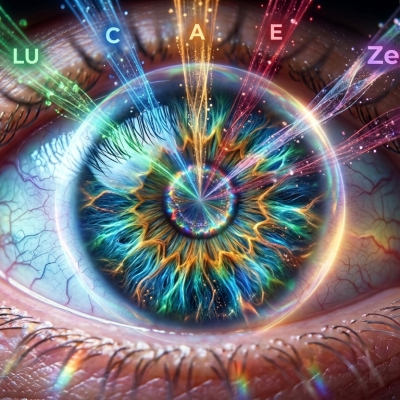
In the modern era of digital screens and constant stress, our eyes need special care. In addition to the correct mode of work and rest, a decisive role in the preservation of vision is played by, what we eat. The eyes are an extremely active organ with a high metabolism, therefore, vitamins and trace elements play an important role in maintaining eye health, and their lack can quickly lead to a feeling of dryness, fatigue or even to more serious pathologies.
Which vitamins are critically important for eye health and in which products can they be found?
1. Vitamin A and Beta-carotene: protection against "chicken blindness"
Vitamin A is a fundamental element for vision. It is part of the rhodopsin protein, which allows us to see in low light conditions.
What threatens the deficit: Deterioration of night vision (the so-called "chicken blindness") and increased dryness of the cornea.
Sources: Carrot, pumpkin, fits (rich in beta-carotene, which is converted into vitamin A in the body), as well as the liver, egg yolks and butter.
2. Lutein and Zeaxanthin: natural "sunglasses"
These two carotenoids accumulate in the retina, namely, in its central part — the macula, which is responsible for clear central vision. They work as a natural filter, which absorbs harmful blue light from screens and ultraviolet rays from the sun.
What threatens the deficit: By increasing the risk of developing age-related macular degeneration (AMD) — one of the main causes of vision loss in old age.
Sources: Spinach, kale, broccoli, green peas and corn.

3. Vitamin C (Ascorbic acid): strong vessels
The eyes are permeated with a network of the smallest capillaries. Vitamin C is a powerful antioxidant, which strengthens the walls of these vessels and improves blood circulation in the tissues of the eye.
What threatens the deficit: Fragility of capillaries and increased risk of developing cataracts (opacification of the lens).
Sources: Citrus fruits (limoni, oranges), kiwi fruit, dog-rose, bell pepper and black currant.
4. Vitamin E: antioxidant shield
Fatty acids, which are made up of retinal cells, very prone to oxidation under the influence of free radicals. Vitamin E protects these cells from destruction and slows down the aging process of eye tissues.
Sources: Nuts (almond, hazelnut), sunflower seeds, vegetable oils and avocados.
5. Zinc and Omega-3: transportation and hydration
Zinc helps vitamin A to be transported from the liver to the retina to produce melanin, the eye's protective pigment.
Sources: pumpkin seeds, legumes, beef, seafood.
Omega-3 polyunsaturated fatty acids are part of the cell membranes of the retina and are critically important for the correct outflow of intraocular fluid. They also prevent the development of "dry eye" syndrome. The main source there is oily sea fish (salmon, tuna, mackerel).
Healthy nutrition for the eyes is not just about using one product, example, carrots. This is a diverse "rainbow" diet, rich in fresh greens, bright vegetables, nuts and fish. If you experience constant fatigue or dry eyes, this is a good reason to review your diet or consult a doctor for the selection of a high-quality vitamin complex.